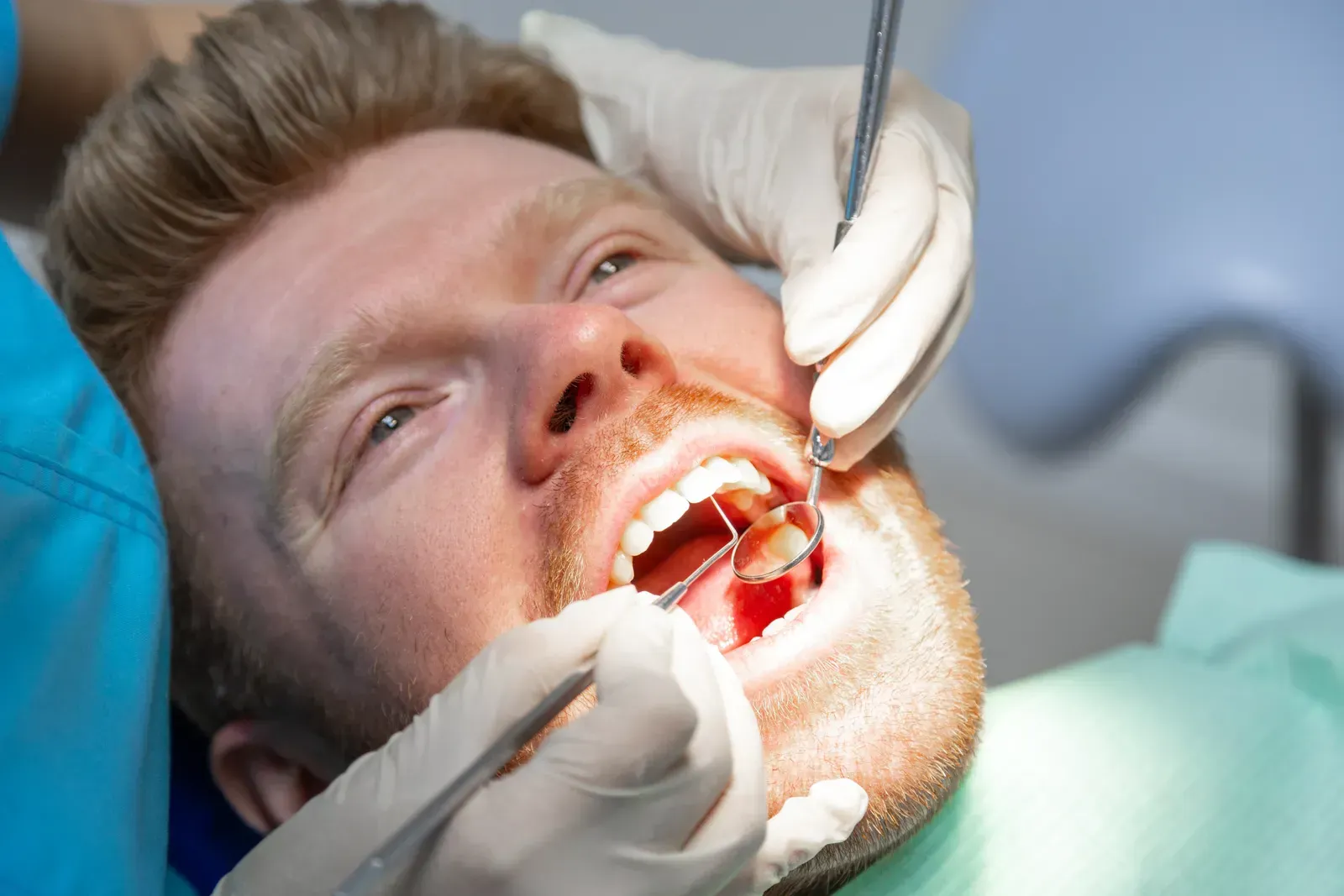
Wisdom Teeth Removal
Wisdom Teeth Removal: What Eagle Mountain Patients Should Know
Wondering if your wisdom teeth need to come out? Here's what Eagle Mountain patients should understand about symptoms, timing, the procedure, and recovery.
Comfortable, experienced extraction care that protects your smile and prevents future complications from impacted or crowded third molars.
Part of Our Restorative Dentistry Services
Wisdom teeth, or third molars, are the last set of teeth to develop, typically emerging between the ages of 17 and 25. For many patients in Eagle Mountain, these late arrivals simply don't have enough room to come in properly. When they get stuck beneath the gumline, grow in at an angle, or crowd neighboring teeth, they can cause pain, infection, and long-term damage to your bite.
At Lake Mountain Dental, wisdom teeth removal is one of the core services we provide under our broader restorative dentistry program, because protecting the health and alignment of your remaining teeth often starts with addressing problem molars before they cause harm. Our team evaluates each case individually using digital imaging to map out tooth position, root structure, and proximity to nerves, so we can plan an extraction that is as efficient and comfortable as possible.
Whether you're a teenager getting ahead of future crowding or an adult dealing with a painful impacted molar, we take the time to explain exactly what we see on your X-rays and why removal is (or isn't) the right call for your situation.

Not every patient needs their wisdom teeth pulled, but certain warning signs point toward a problem that is only going to get worse without treatment. Many people live with low-grade discomfort for months before realizing the source is a third molar pressing against adjacent teeth or trapped beneath the gum tissue. Recognizing these symptoms early allows us to intervene before an infection sets in or surrounding teeth sustain permanent damage.
Deciding whether to remove wisdom teeth is never one-size-fits-all. Some patients have enough room in their jaw for these molars to erupt fully and function normally, while others face impaction, infection risk, or orthodontic complications that make removal the safer long-term choice. Our evaluation process combines a clinical exam with digital X-rays to assess the angle, depth, and root development of each wisdom tooth before recommending a treatment path.
Age plays a meaningful role in this decision too. Dentists generally recommend addressing problem wisdom teeth during the late teen years or early twenties, when the roots are less developed and the surrounding bone is more pliable, which typically means a simpler extraction and a smoother recovery compared to waiting until later in adulthood.
No two wisdom tooth cases look exactly alike, which is why we tailor our approach to the position, depth, and condition of each tooth. Some extractions are straightforward, while others require a more involved surgical technique to safely remove a tooth that is impacted or positioned near nerve tissue. We walk you through which category your case falls into well before the day of treatment, so there are no surprises.
Most patients return to normal daily activities within a few days of their wisdom teeth removal, though full healing of the gum tissue and jawbone takes several weeks. We send every patient home with clear, written aftercare instructions and a direct line to our office in case questions come up during recovery. Following these guidelines closely is the single biggest factor in avoiding complications like dry socket or delayed healing.
Beyond the immediate recovery window, removing problem wisdom teeth protects your oral health for years to come. It reduces the risk of future infections, eliminates a common source of crowding, and makes it easier to keep your back molars clean, which helps prevent cavities and gum disease in that hard-to-reach part of your mouth.
We believe patients feel most at ease when they know exactly what's coming. Here's how a typical wisdom teeth removal journey unfolds at Lake Mountain Dental, from your first conversation with us through full recovery.
We start with a thorough exam and digital imaging to assess the position, angle, and development of each wisdom tooth, then walk you through our findings in plain language.
Based on your X-rays, we recommend the right extraction approach and anesthesia or sedation option, and answer every question about cost, timing, and recovery.
On the day of treatment, we numb the area thoroughly and carefully remove each tooth using the gentlest effective technique, keeping you comfortable throughout.
We send you home with detailed aftercare instructions, check in as needed, and schedule a follow-up visit to confirm your mouth is healing exactly as it should.
Wisdom teeth removal is a procedure where experience and attention to detail genuinely matter. Our team has handled everything from simple single-tooth extractions to complex impacted cases, and we treat every patient's comfort and long-term oral health as the top priority, not just getting through the appointment.
Most dentists recommend an evaluation between ages 16 and 20, when wisdom tooth roots are still developing. Early imaging allows us to identify potential impaction or crowding issues while extraction, if needed, tends to be simpler and recovery faster.
The extraction itself is performed under local anesthesia or sedation, so you shouldn't feel pain during the procedure. Afterward, mild to moderate soreness and swelling are normal for a few days, and we provide guidance and medication recommendations to keep you comfortable.
Most patients feel significantly better within three to five days and return to normal routines within a week. Complete healing of the gum and bone tissue at the extraction site can take several weeks, which is why following our aftercare instructions closely matters.
In many cases, yes. Removing all four wisdom teeth in a single visit is common and often preferred, since it means one recovery period instead of multiple. We'll confirm whether this approach is right for you based on your X-rays and overall health.
Untreated impacted wisdom teeth can lead to infection, cyst formation, damage to neighboring teeth, and shifting that undoes orthodontic work. We recommend addressing problem wisdom teeth as soon as they're identified to avoid more complex, costly treatment later.
Many dental insurance plans cover a portion of wisdom teeth extraction, especially when it's medically necessary. Our team will review your benefits with you ahead of time and provide a clear cost estimate so there are no surprises.
Lake Mountain Dental
From routine cleanings to advanced care, our team is ready to welcome you and your family. Schedule your visit today - we'd love to see you smile.