 4342 E Pony Express Pkwy, Eagle Mountain, UT 84005


Most people only think about their wisdom teeth when one starts to hurt. By then, the tooth has often been causing quiet trouble for months - pushing against a neighbor, trapping food, or growing in at an angle that will never resolve on its own. For a tooth most of us never really use, wisdom teeth cause a surprising amount of dental distress.
Wisdom teeth, or third molars, typically arrive between the ages of 17 and 25, long after the rest of your adult teeth have settled into place. For many people, there simply isn't enough room left in the jaw to accommodate them, which is where the problems begin. Understanding how these teeth behave, what the warning signs look like, and when removal makes sense can save you from a dental emergency down the road.
At Lake Mountain Dental, we evaluate wisdom teeth as a routine part of care for our Eagle Mountain patients, often years before a problem develops. This article walks through what you need to know - from spotting symptoms to what the day of surgery and recovery actually involve.
Why Wisdom Teeth Cause Problems In The First Place
Human jaws have shrunk over thousands of years, largely because our diets changed and we no longer need the same chewing power our ancestors did. Wisdom teeth, however, didn't get the memo. They still try to erupt at the back of the mouth, usually around the same time most people have already finished braces or are well into adulthood - leaving little or no space for a third set of molars.
When there isn't enough room, a wisdom tooth can become "impacted," meaning it's trapped under the gum or bone, angled sideways, or only partially emerged. Partially erupted teeth create a flap of gum tissue that traps bacteria and food debris, which is a common cause of infection and bad breath. Fully impacted teeth, on the other hand, can press against the roots of the second molar, potentially causing damage, bone loss, or even cyst formation around the crown of the unerupted tooth.
Not every wisdom tooth is doomed to cause trouble. Some people have enough jaw space and the correct alignment for all four to erupt normally and function like any other molar. The only way to know which category you fall into is through a dental exam and X-ray, which lets us see the exact position and angle of each tooth well before symptoms start.
Warning Signs You Shouldn't Ignore
Wisdom tooth problems rarely appear out of nowhere. They usually build gradually, with subtle discomfort that's easy to dismiss until it isn't. Paying attention to these early signals can help you avoid a more painful, more complicated situation later.
- Pain or pressure at the back of the jaw: A dull ache near the molars, especially one that flares up and settles down in cycles, often points to a wisdom tooth trying to push through.
- Swollen or tender gums near the last molar: Inflamed, red, or puffy tissue around the back of the mouth is frequently a sign of a partially erupted tooth trapping bacteria underneath.
- Persistent bad breath or an unpleasant taste: Food and bacteria caught under a gum flap are difficult to clean away and can create an ongoing odor that brushing doesn't fix.
- Jaw stiffness or difficulty opening wide: Swelling and pressure from an impacted tooth can limit jaw movement, making chewing or even talking uncomfortable.
- Crowding or shifting in nearby teeth: Pressure from an erupting wisdom tooth can nudge neighboring teeth out of alignment, sometimes undoing years of orthodontic work.
If any of these sound familiar, it's worth getting evaluated sooner rather than later. A routine visit for dental exams paired with imaging gives us a clear picture of what's happening beneath the gumline before it turns into an emergency.
When Removal Is Recommended (And When It Isn't)
Removal isn't automatic just because wisdom teeth are present. We look at the position of each tooth, how much room is available, whether it's fully or partially erupted, and the condition of the surrounding bone and gum tissue. In many cases, extraction is recommended proactively, before pain or infection develops, because impacted teeth rarely improve with time and the surgery itself tends to be easier and less risky in younger patients with less-developed roots.
There are also situations where we recommend monitoring instead of immediate action. If a wisdom tooth is fully erupted, properly aligned, and you're able to clean around it effectively, it may be able to stay in place indefinitely with regular checkups to track any changes. Every mouth is different, and a one-size-fits-all approach doesn't serve patients well here.
That said, once an infection, cyst, or significant crowding is already present, removal becomes the clear path forward. Leaving a problematic wisdom tooth in place rarely resolves the underlying issue and can sometimes lead to needing a more involved procedure later, such as root canal therapy on an adjacent tooth damaged by the pressure.
What Actually Happens During The Procedure
A lot of the anxiety around wisdom teeth removal comes from not knowing what to expect. In reality, the appointment is well-structured and typically shorter than patients anticipate - most straightforward extractions are completed in under an hour, even when all four teeth are removed at once.
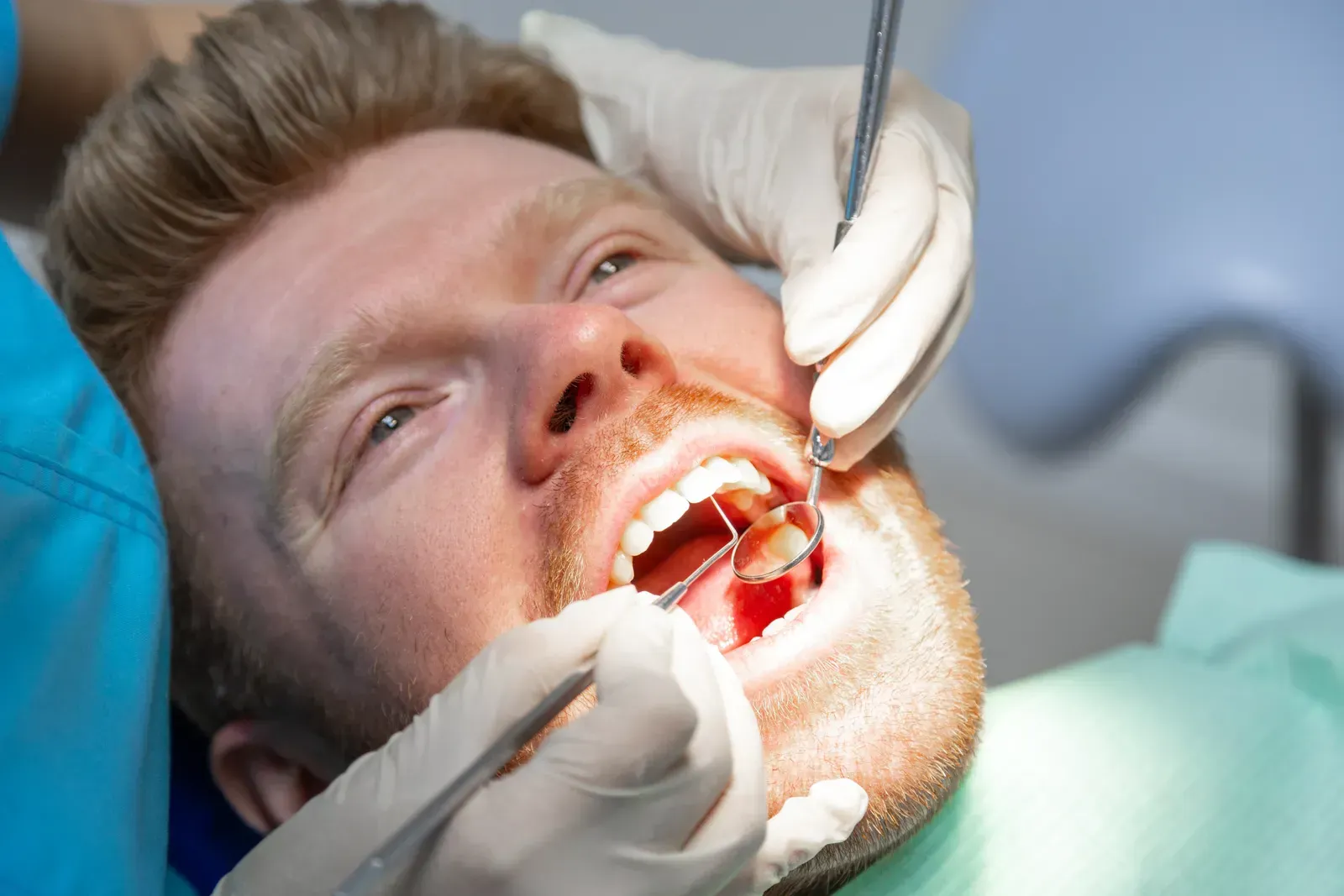
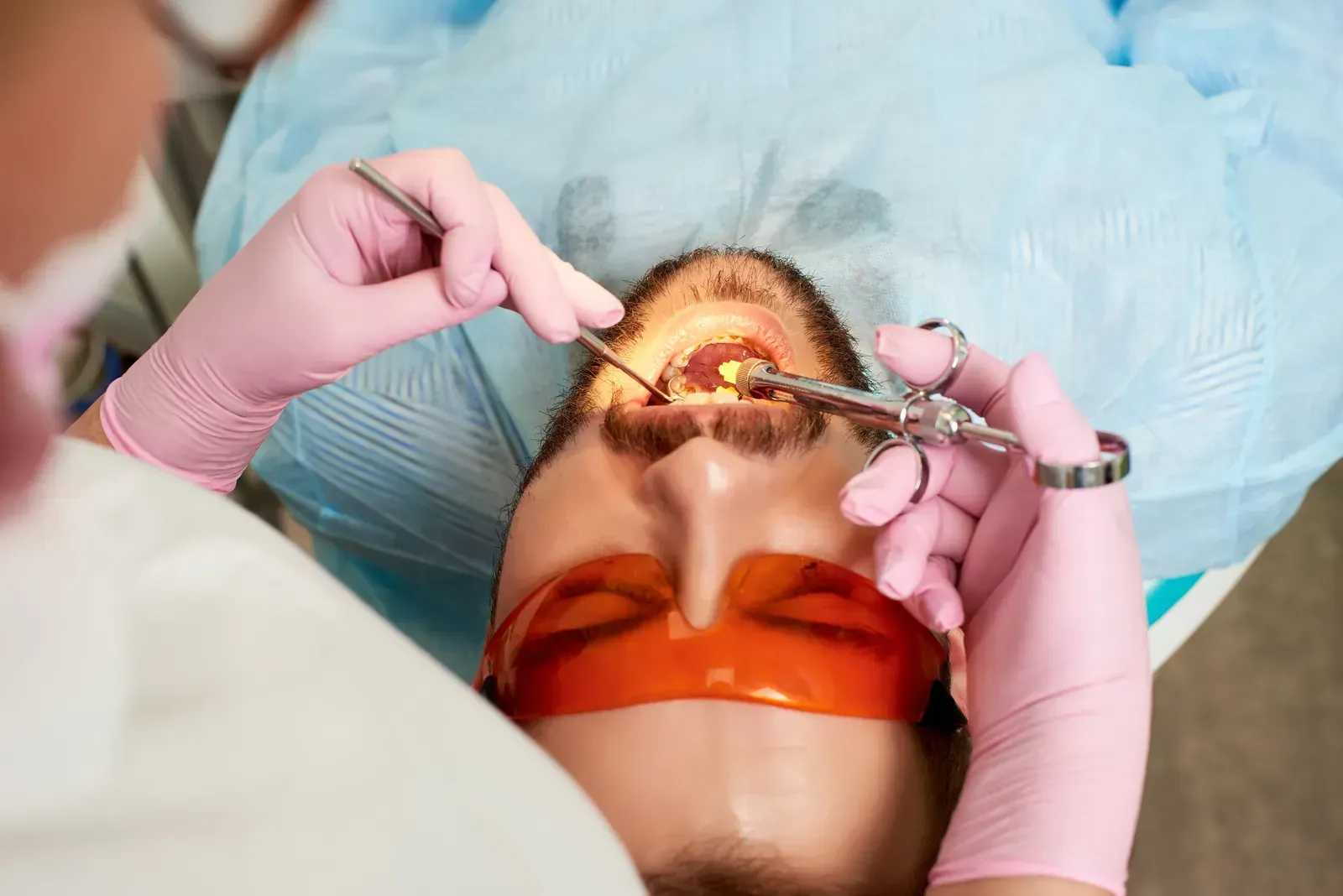
Before anything begins, we review your X-rays together, discuss anesthesia options that range from local numbing to deeper sedation depending on your comfort level and the complexity of the extraction, and walk through exactly what to expect. Once you're comfortable and numb, the tooth is carefully loosened and removed. If a tooth is impacted below the gumline, a small amount of gum tissue or bone may need to be adjusted to access it - this is standard and accounted for in your recovery plan. Stitches are placed if needed, and gauze helps control bleeding as you begin to recover in our office before heading home.
This procedure sits alongside our broader tooth extractions services, and the same emphasis on patient comfort and careful technique applies whether we're removing one wisdom tooth or all four. You'll never be rushed through the explanation, and we'll make sure you understand each step before we begin.
Recovery: What To Expect Day By Day
Recovery from wisdom teeth removal is usually straightforward, but it does require a bit of planning. The first 24 hours matter most: this is when swelling peaks and the blood clot protecting the extraction site needs to stay undisturbed. We'll send you home with clear instructions, but most patients find that applying ice in short intervals, resting with their head elevated, and sticking to soft foods makes the first day much more manageable.
A General Timeline
By day two or three, swelling and discomfort are typically at their worst before starting to improve. Most people feel noticeably better by day four or five and are back to normal eating and activity within a week to ten days, though the complete healing of the gum tissue and bone underneath takes several weeks longer. Jaw stiffness can linger a bit after the visible swelling has gone down, which is completely normal and not a cause for concern.
We schedule a follow-up to check healing progress, especially if stitches were placed or the extraction was more involved. Most patients are surprised by how manageable the whole process turns out to be once they've gone through it, particularly when they've followed the aftercare guidance closely from the start.
Avoiding Complications During Healing
Most complications after wisdom teeth removal are preventable with a few simple precautions. The most well-known issue, a "dry socket," happens when the protective blood clot is dislodged before the site has healed, exposing bone and nerve endings underneath. It's uncomfortable, but it's also largely avoidable.
Avoid using straws, smoking, or spitting forcefully for at least the first few days, since the suction created by any of these can pull the clot loose. Stick to soft, lukewarm foods and introduce gentle saltwater rinses after the first 24 hours to keep the area clean without disturbing it. If you notice increasing pain after day three instead of gradual improvement, unusual odor, or fever, reach out to us right away rather than waiting it out - catching an issue early makes it far easier to resolve. For patients dealing with sudden, severe pain or swelling outside office hours, our emergency dentistry team is available to help.
Key Takeaways
- Wisdom teeth often lack enough room to erupt properly, leading to impaction, infection, or crowding of nearby teeth.
- Early warning signs include back-of-jaw pain, swollen gums, bad breath, and jaw stiffness - don't wait until it's severe.
- Not every wisdom tooth needs removal; a dental exam and X-ray determine the best course of action for your mouth.
- Most patients recover within a week to ten days, with the most noticeable discomfort in the first two to three days.
- Following aftercare instructions closely helps prevent complications like dry socket and speeds up healing significantly.
Frequently Asked Questions
At what age should wisdom teeth typically be evaluated?
Most dentists recommend a first evaluation in the mid-to-late teens, usually between ages 15 and 18, when the roots are still developing and the teeth are easier to see on X-rays. Evaluating early gives you more options and typically means a smoother recovery if removal is needed.
Is wisdom teeth removal painful?
The procedure itself is performed under local anesthesia or sedation, so you shouldn't feel pain during the extraction. Afterward, mild to moderate soreness and swelling are normal for a few days, but they're manageable with over-the-counter or prescribed pain medication and generally improve steadily.
How many wisdom teeth are usually removed at once?
Many patients have all four removed in a single appointment, since it means only one recovery period rather than multiple separate procedures. That said, we tailor the plan to your specific situation - if only one or two teeth are causing problems, removing just those is entirely reasonable.
How much time should I plan to take off work or school?
Most patients take two to four days off to allow the initial swelling and discomfort to subside, though this varies based on how impacted the teeth were and your individual healing pace. Physically demanding jobs or activities may warrant a slightly longer break.
Will removing wisdom teeth affect the rest of my smile?
No - wisdom teeth removal typically protects your existing smile rather than changing it. By removing teeth that would otherwise push, crowd, or damage neighboring molars, you're helping preserve the alignment and health of the teeth you actually rely on every day.
Making The Right Decision For Your Mouth
Wisdom teeth don't have to become an emergency. With a timely evaluation and a clear understanding of what's happening beneath the surface, most patients can address potential problems calmly and on their own schedule rather than reacting to sudden pain. Whether your wisdom teeth need to come out now, later, or not at all, the goal is always the same: protecting the health and alignment of the smile you've worked to maintain.
Our team at Lake Mountain Dental has guided many Eagle Mountain patients through this exact decision, from the first X-ray to full recovery. If you've noticed discomfort near your back molars or simply haven't had your wisdom teeth checked in a while, there's real value in getting ahead of it before symptoms intensify.