Protect and rebuild damaged teeth with custom-crafted crowns designed for lasting strength, comfort, and a natural smile in Eagle Mountain.
Restorative Dentistry
A dental crown is a custom-made cap that fits over a tooth that has been weakened by decay, fracture, or a large filling, restoring its shape, size, and chewing strength. Think of it as a protective shell that fully encases the visible portion of the tooth above the gumline, sealing out bacteria and distributing bite forces evenly across the jaw.
At Lake Mountain Dental, we rely on crowns to save teeth that would otherwise be at risk of breaking further or requiring extraction. Because every mouth and every bite pattern is different, we design each crown individually using precise impressions and digital scans, matching the shade, contour, and bite relationship to the teeth around it so the final result looks and feels like it belongs there. For patients throughout Eagle Mountain, this means a durable, long-term solution rather than a temporary patch.
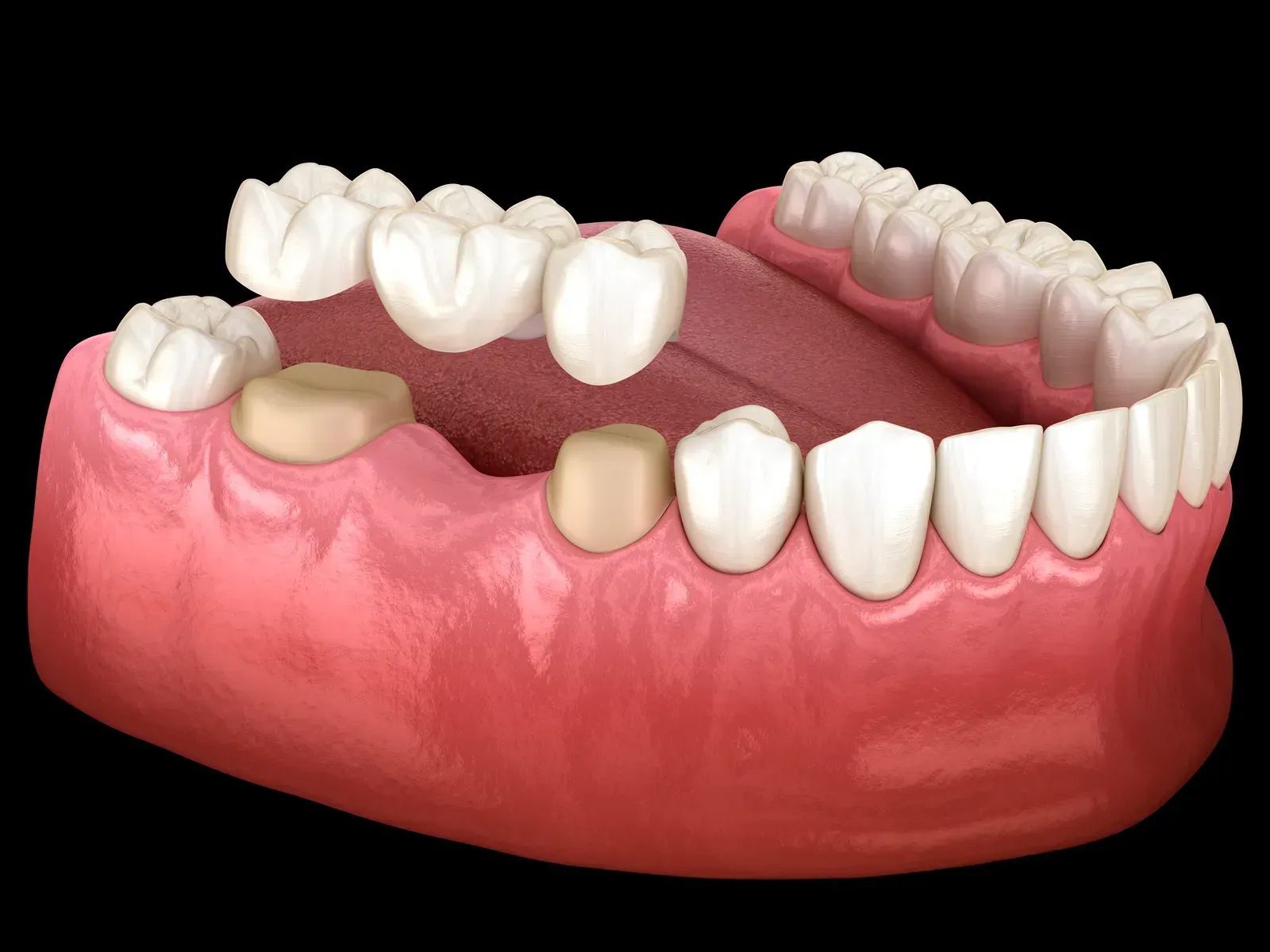
Many patients come to our Eagle Mountain office unsure whether their tooth needs a crown, a filling, or no treatment at all. There are a handful of warning signs worth paying attention to, and catching them early often means a simpler, less invasive procedure. A tooth that has been quietly weakening for months may not hurt until the damage reaches the nerve, so we encourage patients to schedule an evaluation as soon as something feels off rather than waiting for pain to show up.
Most patients who need structural tooth repair are candidates for a crown, but the right choice depends on how much healthy tooth remains, the position of the tooth in your mouth, and your overall oral health. During your consultation at Lake Mountain Dental, we examine the tooth closely, take digital X-rays to assess the root and surrounding bone, and talk through your goals before recommending a crown over alternatives like a filling, inlay, or extraction.
Good candidacy also depends on the condition of your gums and your commitment to daily hygiene, since a crown still relies on a healthy foundation underneath it. We're honest with every patient about whether a crown is the right long-term investment or whether a different treatment will serve you better.
Not every tooth calls for the same type of crown. The material we recommend depends on where the tooth sits in your mouth, how much bite force it absorbs, and how visible it is when you smile or speak. We walk through the pros and cons of each option with you so you can make an informed decision about your own treatment rather than being handed a one-size-fits-all solution.
A crown does more than cover up a damaged tooth. It restores how that tooth actually functions within your bite, which has ripple effects on your comfort, your other teeth, and even your jaw joints. Patients are often surprised by how much more confident they feel chewing on a previously painful or fragile tooth once it's protected.
A well-made crown, cared for properly, can last well over a decade, with many lasting 15 to 20 years or longer before any replacement is needed. The biggest factor in that lifespan isn't the material itself but how it's treated day to day. We walk every patient through the specifics before they leave our Eagle Mountain office so there's no guesswork about what comes next.
Getting a crown typically takes two appointments, with the possibility of same-day options for certain cases. Here's how the process unfolds step by step at Lake Mountain Dental.
We take digital X-rays and examine the tooth to confirm a crown is the right treatment, then discuss material options based on the tooth's location and your goals.
After numbing the area, we gently reshape the tooth to make room for the crown, removing any decayed or damaged structure in the process.
We capture a precise digital scan or impression of the prepared tooth and the surrounding bite, which becomes the blueprint for your custom crown.
While your permanent crown is crafted at a dental lab, we fit you with a temporary crown to protect the tooth and keep things comfortable in the meantime.
At your return visit, we remove the temporary, check the fit, shade, and bite of your permanent crown, make any adjustments, and bond it securely in place.
Choosing where to get a crown matters just as much as choosing to get one at all. Fit, shade matching, and the quality of the bite adjustment all depend on the skill and attention of the dentist doing the work, and that's exactly where we focus our energy with every patient.
Most crowns require two visits spaced one to two weeks apart: the first for preparation and the temporary crown, and the second for fitting and bonding the permanent crown. Depending on the case, some situations can be completed more quickly, and we'll walk you through your specific timeline at your consultation.
We numb the tooth and surrounding area before any preparation work, so the procedure itself is not painful. Some mild soreness or sensitivity around the gum line is normal for a few days afterward and typically responds well to over-the-counter pain relief.
With consistent oral hygiene and routine checkups, most crowns last between 10 and 20 years, and some last even longer. Lifespan depends on the material chosen, the location of the tooth, and habits like grinding or chewing hard foods.
It's uncommon but possible, usually due to decay developing underneath the crown or the cement weakening over time. If your crown ever feels loose, wobbly, or falls off, call our Eagle Mountain office right away so we can re-cement or replace it before the tooth is exposed to further damage.
It depends on how much healthy tooth structure remains. Fillings work well for smaller areas of decay, but once damage is extensive or a tooth has had root canal therapy, a crown provides the full coverage and strength a filling simply can't match.
Many dental insurance plans cover a portion of crown treatment when it's deemed medically necessary, such as for a fractured or decayed tooth. Our team will review your benefits with you and provide a clear cost estimate before any treatment begins.
Lake Mountain Dental
From routine cleanings to advanced care, our team is ready to welcome you and your family. Schedule your visit today - we'd love to see you smile.
 4342 E Pony Express Pkwy, Eagle Mountain, UT 84005

